


The stings happen
Dogs are curious creatures by nature who like to explore the world around them using their noses and paws. So if you find a bee or a wasp flying, you might want to know what that thing is. Once the bees see the dogs as a threat, they pass the attack mode and sting. The most common areas for a dog to be bitten are the facial area, mouth or paws.
Symptoms
Typically, when a bee stings, the sting, which is clinging to the bag with the poison, lodges on its target by separating itself from the body of the bee and leading it to its death (which will certainly be regarded as karma by your dog)!
As with us, if your dog is stung by a bee it can show the following signs:
- Weakness
- Donate
- Itchy/Burning/Agitation
- Redness
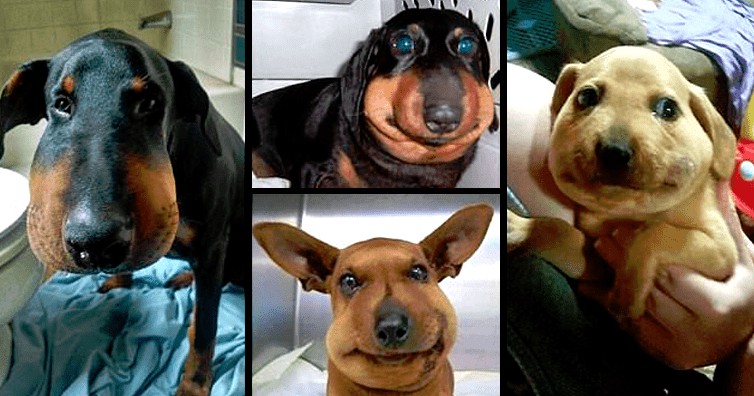
- Swelling
- Respiratory difficulty
- Anaphylactic shock (which may be fatal)
As a pet owners, you should immediately check for signs of allergy or respiratory distress. A slight itching and burning sensation, with a small swelling, are acceptable signs of reaction. However, if your dog shows signs of severe pain, with large swelling spreading from the area where it was stung, as well as difficulty breathing, then you will be having a strong and dangerous reaction to the bite.
Regardless of the severity of the bite, you should immediately call your doctor. Veterinary and take your dog for observation to a veterinary clinic. In some paws, the simple removal of the sting, followed by the application of a cold compress brings good results. Others may need specific medication.

What to do if your dog is stung by a bee
1) Stay calm.
Your dog can feel your nervousness and panic, so try to stay as calm as possible. Your dog is already nervous enough without needing even more stress. I know, – it’s easier said than done!
2) Telephone yours Veterinary
Talk to yours immediately veterinary clinic, informing the veterinary doctor that your dog has been bitten by a bee, describe the symptoms and inform them that you are on your way to an appointment.
3) Look for the stinger
The longer the sting stays lodged in the skin of your daddy, the more poison it will be entering your body. Try to locate the stinger and remove it, for example, with your nails or using a clamp (in this case, taking extra care not to spread even more poison)
4) Try to relieve the pain and swelling
While you’re on your way to veterinary clinic, applying ice wrapped in a cloth can help contain swelling.
5) Medication
Yours veterinary doctor you will know what to do to relieve the pain and swelling in your body, as well as to combat eventual anaphylactic shock. Never give your stepfather medicines without consulting a veterinary doctor.
6) Watch your stepfather carefully
Even if your dog does not show any immediate reaction to a sting that does not mean that he cannot develop one. Anaphylactic shock can occur up to 24 hours after the bite and therefore it is important to keep your stepfather under careful observation. Even after visiting your veterinarian you should be vigilant, as you will certainly be advised, until your stepfather is fully restored.